Recommendation


What is a Laboratory Incubator Core Functions and Design Essentials
A laboratory incubator is a specialized piece of equipment designed to create stable, controlled environments that support the growth and development of biological samples. Whether you’re culturing cells, growing microbes, or conducting biochemical reactions, an incubator offers the precise conditions necessary for reliable and reproducible results.
Definition and Purpose
At its core, a laboratory incubator maintains consistent temperature, humidity, and gas levels to simulate optimal growth conditions. This stability is crucial for biological research, pharmaceutical testing, and various life science applications.
Key Features
- Temperature Range: Typically from room temperature up to around 60°C, with high precision controls to keep conditions steady.
- Humidity Control: Supports moisture regulation to prevent sample desiccation and maintain ideal growth environments.
- CO2 and Oxygen Regulation: Many incubators, like CO2 incubators, adjust gas mixtures to mimic physiological conditions important for cell culture.
- Sterile Interiors: Designed to minimize contamination risk with easy-to-clean surfaces, HEPA filtration, or UV sterilization options.
Common Types of Laboratory Incubators
- CO2 Incubators: Optimized for mammalian cell culture with controlled CO2 levels.
- Microbiological Incubators: Focused on bacteria and fungi growth with temperature and humidity regulation.
- BOD Incubators: For biochemical oxygen demand tests, controlling temperature precisely for water testing.
Visual Aid – Basic Vs Advanced Models
| Feature | Basic Incubator | Advanced Incubator |
|---|---|---|
| Temperature Uniformity | ±1-2°C | ±0.1-0.3°C Multi-probe monitoring |
| Humidity Control | Limited | Precise, programmable |
| Gas Regulation | None or simple | CO2/O2 with auto-adjustment |
| Sterility Features | Manual cleaning | HEPA filtration or UV sterilization |
| Data Logging | Minimal | Integrated digital tracking |
Dexiang precision incubators stand out with multi-probe temperature uniformity technology, ensuring every part of the chamber stays consistently stable. This makes them ideal for sensitive life science workflows where accuracy matters.
What is an Environmental Chamber Simulating Real World Conditions for Testing
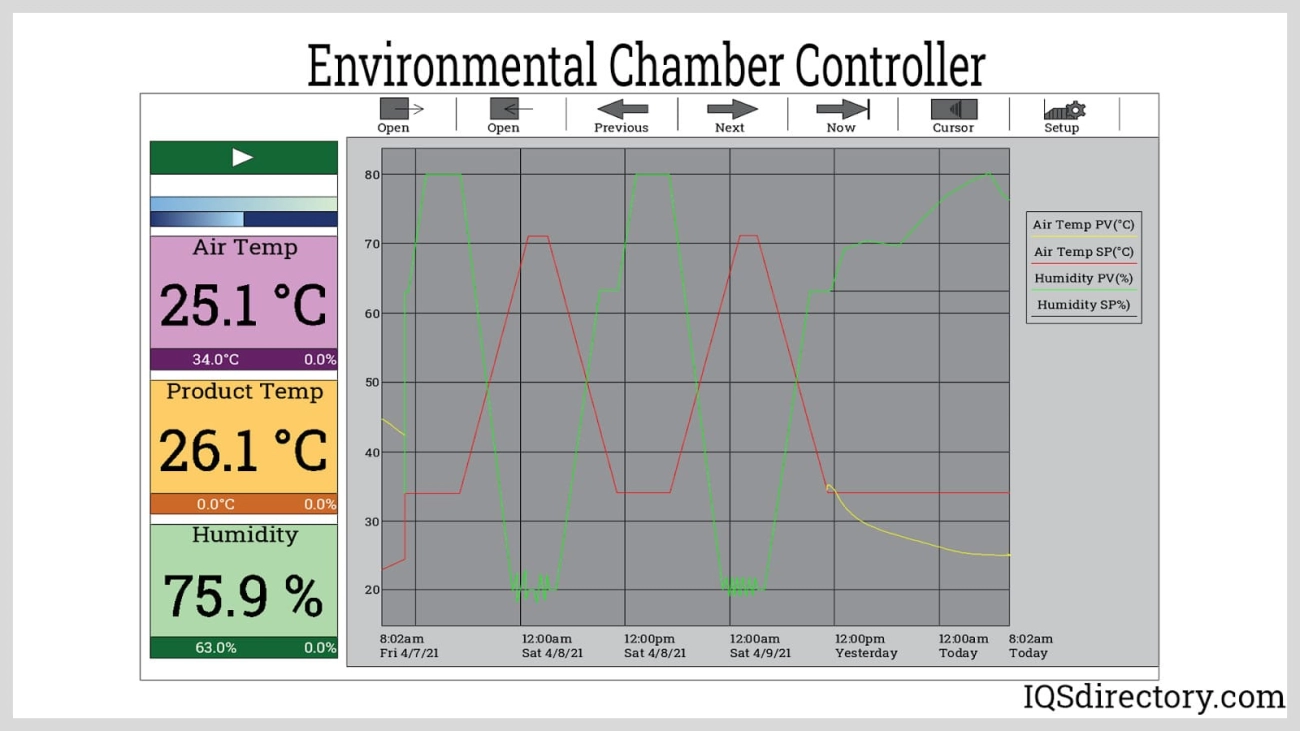
An environmental chamber is designed to replicate extreme conditions that products might face in the real world. Its main purpose is to test durability and performance under controlled, often harsh, environments. This helps industries ensure that their products, from electronics to automotive parts, will hold up in various climates and stresses.
Key features include:
- Wide temperature ranges to simulate both hot and cold extremes
- Advanced humidity control for testing moisture effects
- Pressure simulation for altitude or vacuum conditions
- Light simulation to mimic sunlight or UV exposure
- Data logging for monitoring test progress
- Robust construction to handle tough testing cycles
Common types of environmental chambers are:
- Climatic chambers, which simulate temperature and humidity cycles
- Stability chambers for long-term storage testing
- Growth chambers used in biology but with broader environmental control
Dexiang environmental chambers come with programmable controllers, making them ideal for rigorous automotive and electronics testing. This flexibility lets U.S. labs and manufacturers customize conditions precisely, ensuring reliable and repeatable test results.
Head to Head Comparison Incubators vs Environmental Chambers
Here’s a quick look at how incubators and environmental chambers stack up side by side:
| Feature | Incubators | Environmental Chambers |
|---|---|---|
| Temperature Range | Usually 5°C to 70°C | Wide range: -70°C to 180°C+ |
| Humidity Control | Moderate, often fixed levels | Advanced, precise humidity simulation |
| Size | Small to medium benchtop sizes | From benchtop to large walk-in units |
| Cost | Lower upfront and maintenance | Higher cost due to complexity |
| Sterility | Sterile or clean environments | Usually non-sterile, built for durability |
| Durability | Designed for consistent growth | Built to withstand harsh conditions |
| Energy Efficiency | Moderate | Variable; often higher due to extremes |
Application Differences
- Incubators are your go-to for biotech, pharma, and microbiology labs where controlled, stable environments for biological growth are essential.
- Environmental chambers serve manufacturing, aerospace, automotive, and electronics testing, replicating extreme climates to check product durability and quality.
Pros and Cons Matrix
| Aspect | Incubators | Environmental Chambers |
|---|---|---|
| Precision | High precision for temperature and gas | Broad simulation but less sterile |
| Use Case | Biological culture and research | Stress testing and quality assurance |
| Versatility | Focused on growth conditions | Multiple environmental factors simulated |
| Cost | More affordable | Can be costly due to advanced features |
| Complexity | Easier to operate | Requires technical expertise |
Real World Example
One of our U.S.-based biotech labs recently switched from a standard incubator to an advanced environmental chamber. This move improved their regulatory compliance by ensuring better documentable environmental conditions and wider test parameters — a perfect case of when a chamber’s versatility outshines an incubator’s narrow focus.
Whether you need precise biological growth conditions or rugged environmental simulation, knowing the difference helps you choose the right equipment for your testing or research needs.
When to Choose an Incubator Over an Environmental Chamber and Vice Versa
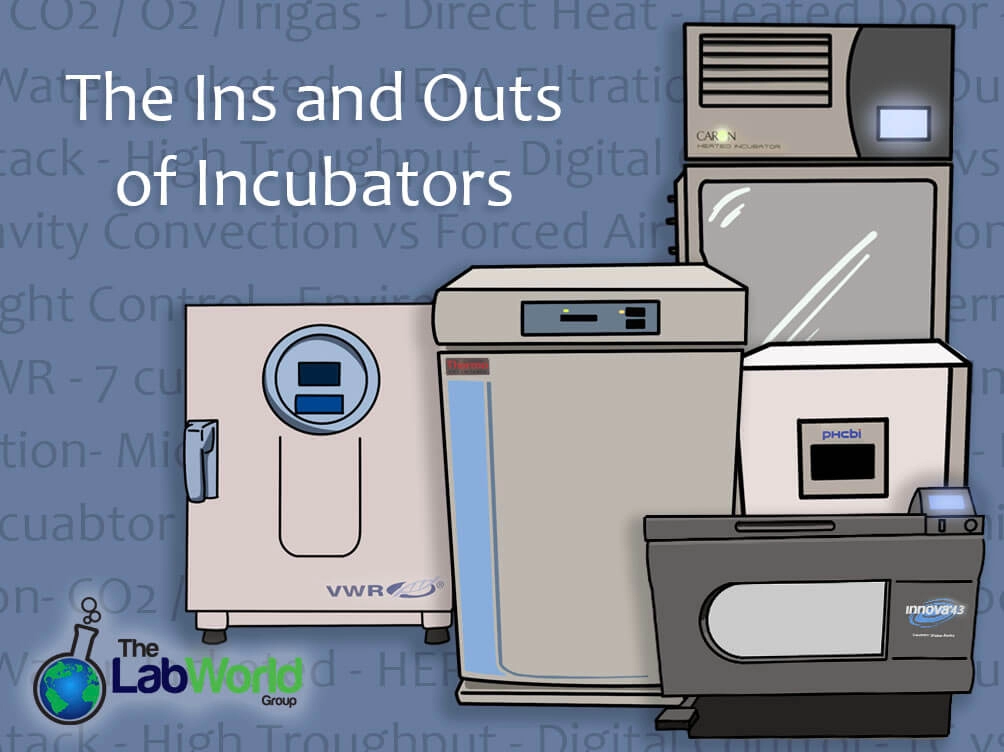
Knowing when to pick an incubator or an environmental chamber depends on your specific needs. Here’s a quick decision framework to help:
Decision Framework and User Scenarios
| Use Case | Choose Incubator | Choose Environmental Chamber |
|---|---|---|
| Biological growth and culture | Sterile, controlled temperature, humidity, and CO2 levels | Not typically needed |
| Testing product durability under extremes | Limited use; not meant for harsh conditions | Simulates temperature, humidity, pressure, light |
| Sterile microbiological work | Yes | No |
| Quality assurance in manufacturing | No | Yes |
Industry-Specific Guidance
- Biotech and Pharmaceutical LabsRely on incubators for stable growth environments, sterile interiors, and precise CO2 control.
- Aerospace, Automotive, and ElectronicsPrefer environmental chambers due to their ability to mimic extreme climates and harsh conditions.
Cost and ROI Factors
| Factor | Incubators | Environmental Chambers |
|---|---|---|
| Initial Pricing | Lower | Higher |
| Maintenance | Moderate | Higher due to complex systems |
| Energy Usage | Generally lower | Higher especially for large models |
| Scalability | Benchtop to walk-in models | Mostly larger walk-in or room-sized |
Tips for Scaling Up
- Start with a benchtop incubator for small-scale growth, then move to walk-in models as your lab grows.
- Environmental chambers can also scale but expect higher maintenance and energy costs.
Dexiang Expertise
At Dexiang, we offer customized hybrid solutions that combine precision incubation with environmental simulation to fit your lab’s unique needs. Our US-based delivery ensures fast, reliable service and tailored quotes to maximize your ROI.
For tailored advice on selecting the right equipment, feel free to contact us!
Maintenance Calibration and Best Practices for Long Term Reliability
Keeping your incubator or environmental chamber running smoothly means regular maintenance and precise calibration. Here’s a simple guide to get you started:
Step-by-step cleaning and maintenance:
- Clean surfaces weekly using mild disinfectants to prevent contamination.
- Avoid overloading equipment to ensure proper air circulation and temperature uniformity.
- Check and clean air filters regularly, especially HEPA filters in incubators.
- Inspect door seals and hinges to maintain airtight environments.
Calibration essentials:
- Use NIST-traceable instruments to verify temperature and humidity accuracy.
- Follow manufacturer calibration schedules; typically every 6 to 12 months.
- Monitor temperature uniformity with multiple probe placements inside the chamber.
- Record calibration results for compliance and audit purposes.
Common pitfalls to avoid:
- Overcrowding samples can cause uneven temperature and humidity distribution.
- Neglecting humidity control leads to inconsistent conditions, affecting biological cultures or test validity.
- Ignoring contamination risks can compromise experiments or product testing.
- Failing to conduct regular alarms and system checks may result in unnoticed fluctuations.
Safety and compliance recommendations:
- Utilize UV sterilization and HEPA filtration systems to reduce microbial growth inside incubators.
- Install alarm systems that alert users to temperature or humidity deviations promptly.
- Ensure equipment meets relevant industry safety standards for the U.S. market.
At Dexiang, our commitment as your environmental test chamber manufacturer extends beyond delivery. We offer free calibration consultations to help global customers optimize equipment performance and extend lifespan. This expert support ensures you meet rigorous lab and industrial standards with ease.
Dexiang| Instruments
As a high-tech manufacturer, we integrate R&D, design, production, and sales under one roof. Our philosophy—"Quality Ensures Survival, Integrity Drives Development, and Management Yields Efficiency"—is woven into every product we build. We continuously assimilate cutting-edge global technologies and refine our practices through years of hands-on experience.