Recommendation


If you’ve ever browsed through product testing equipment and stumbled across both climatic chambers and environmental chambers, you’re not alone in wondering—what’s the real difference? Spoiler alert: these terms are often used interchangeably, but understanding their subtle nuances can save you time, money, and headaches down the line. Whether you’re in R&D, quality assurance, or procurement, getting clear on what each chamber does will help you choose the right solution for your testing needs. Let’s cut through the jargon and break down exactly what separates—or connects—climatic chambers and environmental chambers so you can make smarter choices starting today.
Defining the Basics What Is a Climatic Chamber
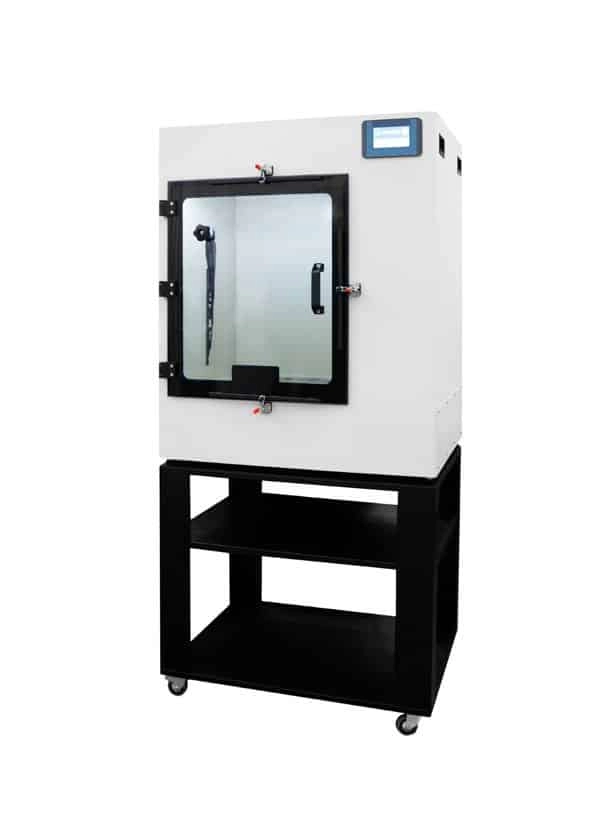
A climatic chamber is an enclosed system designed to simulate precise temperature and humidity conditions. It mimics real-world climates so products and materials can undergo accelerated aging and reliability testing. This means businesses can quickly see how items hold up under specific environmental stresses like extreme heat, cold, or moisture.
Key Features of Climatic Chambers
- Programmable cycles allow users to set detailed temperature and humidity patterns for custom tests.
- Superior insulation ensures stable, consistent conditions during testing.
- Compliance with industry standards such as IEC 60068, which governs environmental testing procedures.
- Usually focuses on temperature and humidity control only.
A Brief History
Climatic chambers have come a long way. Early versions were simple ovens or humidity cabinets that lacked precision. Today’s units are often smart, IoT-enabled systems offering remote monitoring, data logging, and precise environmental control. This evolution supports advanced research and product development across multiple industries.
Defining the Basics What Is an Environmental Chamber
An environmental chamber is a versatile testing enclosure designed to replicate a wide range of real-world stressors. Unlike a climatic chamber that mainly focuses on temperature and humidity, an environmental chamber can simulate additional factors such as vibration, altitude, light exposure, and even corrosive atmospheres. This makes it ideal for testing how products hold up under various combined environmental conditions.
Key features of environmental chambers include modular add-ons that let you customize the setup depending on your testing needs. They also come in different sizes, from compact benchtop models perfect for labs with limited space to large walk-in chambers suitable for bigger equipment and longer tests.
The main distinction here is scope. Environmental chambers cover more than just climate—they mimic broader environmental influences, often incorporating non-atmospheric elements to give a comprehensive look at product durability and performance. This makes them valuable for industries aiming to push their products through demanding real-life scenarios.
Head-to-Head Comparison Climatic vs Environmental Chambers
| Parameter | Climatic Chamber | Environmental Chamber |
|---|---|---|
| Purpose | Focused on temperature and humidity control for climate simulations | Tests broader environmental stressors like vibration, altitude, light, plus temperature and humidity |
| Scope | Narrow, simulates specific climate conditions | Wide, simulates multiple factors affecting product durability |
| Size Options | Usually benchtop to medium-size units | Ranges from small benchtop to large walk-in systems |
| Cost | More cost-effective for climate-specific tests | Generally pricier due to complex features |
| Flexibility | Limited mostly to temperature & humidity cycles | Highly modular with add-ons for various test conditions |
| Best For | Accelerated aging, humidity control, thermal shock | Complete product reliability testing in real-world scenarios |
| Popular Use Cases | Electronics, pharmaceuticals, automotive components | EV batteries, aerospace parts, electronics under multi-factor stress |
| Typical Standards | IEC 60068 and related climatic test standards | Includes climatic plus mechanical and electrical test standards |
Pros and Cons
Climatic Chambers
- Pros:
- More affordable
- Simple to operate
- Precise humidity and temperature control
- Cons:
- Limited to atmospheric conditions
- Not suitable for vibration or altitude testing
Environmental Chambers
- Pros:
- Covers a wide range of environmental factors
- Scalable for different test sizes
- Ideal for R&D and comprehensive reliability testing
- Cons:
- Higher cost
- More complex setup and maintenance
Myth-Busting with Dexiang Examples
- Myth: Environmental chambers are always better than climatic chambers.
Fact: It depends on your test needs. For humidity-focused tests, Dexiang’s climatic chambers deliver precise results at a lower cost. - Myth: Climatic chambers can’t handle real-world testing.
Fact: Dexiang’s advanced climatic chambers offer programmable cycles and smart controls for rigorous climate simulation, perfect for many standard tests. - Myth: Larger environmental chambers automatically mean better quality.
Fact: Size doesn’t always equal performance. Dexiang’s modular environmental chambers balance size with test complexity, ensuring efficient use of space and resources.
Understanding these differences helps choose the right chamber for your product testing needs, whether you’re aiming for cost-effective climate testing or full environmental simulation.
When to Choose One Over the Other Real-World Applications and Use Cases
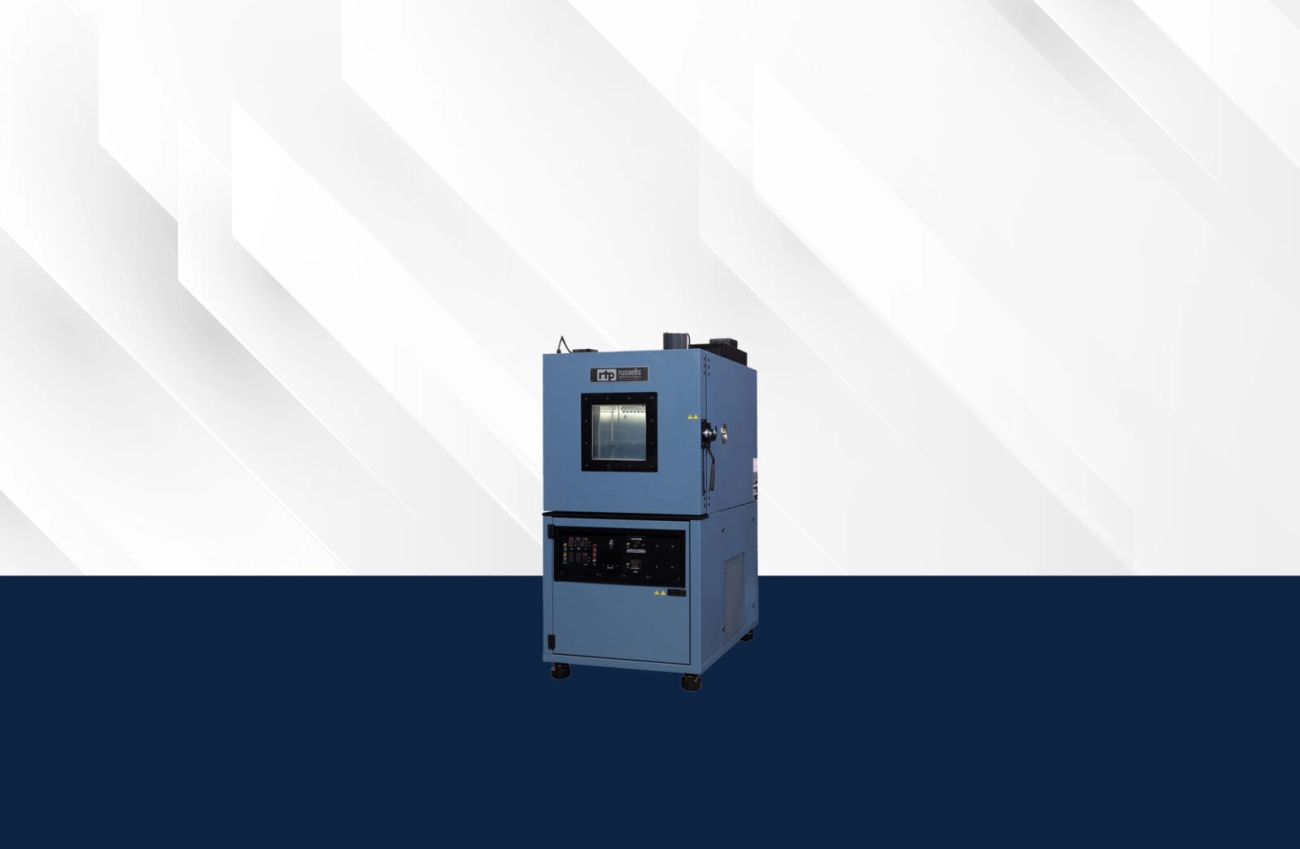
Choosing between a climatic chamber and an environmental chamber depends on what you need to test, your budget, available space, and regulatory requirements. Here’s a quick look at industries and when each chamber fits best.
Industry Uses
| Industry | Typical Chamber Use | Chamber Type Preferred |
|---|---|---|
| Automotive | Temperature and humidity on electronics, vibration stress testing | Environmental chamber |
| Electronics | Thermal cycling, humidity aging | Climatic chamber for basic climate tests; environmental for complex stressors |
| Pharmaceuticals | Stability testing under humidity & temperature control | Climatic chamber |
| Aerospace | Altitude simulation, vibration, thermal cycling | Environmental chamber |
| Consumer Goods | Durability and accelerated aging testing | Climatic chamber |
Case Study Dexiang EV Battery Testing
Dexiang leverages both chamber types to ensure electric vehicle batteries withstand harsh climates and mechanical stresses. Climatic chambers simulate temperature and humidity cycles, while environmental chambers add vibration and altitude testing to mimic real-world driving conditions across the U.S. This blended approach helps clients deliver safer, longer-lasting batteries.
Key Factors to Consider
- Budget: Climatic chambers tend to be more cost-effective if your focus is mainly temperature and humidity.
- Space: Environmental chambers vary in size—from benchtop models to walk-in units—make sure you have room for what you pick.
- Test Complexity: If your product needs stress beyond climate (like vibration or light exposure), environmental chambers are a better fit.
- Regulations: Some industries require tests that only environmental chambers can handle, ensuring compliance with strict standards.
By understanding these factors, you’ll pick the right reliability testing chamber that meets your needs and budget while keeping testing accurate and efficient.
Key Features to Look for in High Quality Chambers Dexiang’s Edge
When choosing a climatic or environmental chamber, there are some must-have features that ensure reliable, efficient testing. Dexiang’s chambers stand out because they hit all the right marks with advanced tech and user-friendly design.
Essential Specs to Consider
| Feature | Why It Matters | Dexiang Advantage |
|---|---|---|
| Temperature Uniformity | Keeps conditions steady for accurate results | ±0.5°C uniformity |
| Recovery Time | Quickly returns to set conditions after changes | Fast cycles save time on tests |
| Humidity Control | Precise moisture levels for real-life simulation | Stable RH control ±2% |
| User-Friendly Software | Easy setup and data tracking | Intuitive UI with customizable reports |
Advanced Dexiang Innovations
- Energy-Efficient Refrigeration: Low power consumption means lower utility bills and greener operation. Perfect for US businesses focusing on sustainability.
- Remote Monitoring: Stay in control with mobile access and alerts, so tests can run smoothly without constant supervision.
- Eco-Friendly Refrigerants: Dexiang uses refrigerants that meet strict US environmental regulations, reducing the carbon footprint.
Maintenance Tips for Long-Term Performance
- Regular Calibration: Keep sensors accurate by scheduling calibrations every 6-12 months.
- Clean Filters and Coils: Helps maintain airflow and cooling efficiency.
- Watch for Wear Signs: Inspect seals, wiring, and controls to avoid costly downtime.
- Common Pitfalls to Avoid:
- Don’t overload the chamber—this can cause uneven temperature and humidity.
- Avoid rapid door openings to prevent system strain.
Operating as a specialized environmental test chamber manufacturer, we serve both China’s industrial ecosystem and international markets with high-performance equipment. Our solutions in climatic simulation, thermal shock testing, and corrosion resistance simulation are engineered to maximize testing efficiency and data accuracy.
By focusing on these features and keeping up with maintenance, Dexiang chambers provide dependable and efficient testing environments tailored to global market needs.
Dexiang| Instruments
As a high-tech manufacturer, we integrate R&D, design, production, and sales under one roof. Our philosophy—"Quality Ensures Survival, Integrity Drives Development, and Management Yields Efficiency"—is woven into every product we build. We continuously assimilate cutting-edge global technologies and refine our practices through years of hands-on experience.